AI video generation has entered a phase where raw novelty is no longer enough. Creators don’t just want motion—they want control, continuity, and fewer invisible walls that interrupt creative flow. This is where the WAN 2.6 AI video model starts to matter, not as hype, but as a response to long-standing limitations in AI video workflows.
Instead of promising “cinematic” results in theory, WAN 2.6 focuses on something more practical: reducing friction. Fewer length constraints. Better motion logic. Stronger alignment between visuals and sound. For creators who have struggled with clipped scenes, broken pacing, or audio that feels bolted on rather than integrated, this shift is meaningful.
What Is WAN 2.6 AI Video Model?
At its core, the WAN 2.6 AI video model is designed as a next-step evolution in modern AI video generation. Rather than reinventing the category, it refines what already works while directly addressing what doesn’t.
Earlier AI video models often excelled at short bursts—single shots, brief loops, or visually impressive but narratively shallow clips. WAN 2.6 aims to stretch beyond that by improving temporal consistency, motion continuity, and multi-modal coordination. In plain terms, it tries to make AI-generated video feel less like stitched fragments and more like an intentional sequence.
This matters because most real-world use cases—marketing, storytelling, explainers, social content—require more than a few seconds of visual novelty. They require coherence.
Text-to-Video AI in WAN 2.6: From Prompt to Motion
The backbone of WAN 2.6 remains Text-to-video AI, but the experience is noticeably more forgiving than earlier generations.
In previous models, prompts often had to be aggressively simplified to avoid visual chaos. Complex actions, camera changes, or emotional beats could easily derail output quality. WAN 2.6 shows clearer intent to interpret prompts as evolving instructions rather than static descriptions.
This means better handling of:
- Sequential actions
- Environmental continuity
- Character persistence across shots
For creators, this translates into less prompt micromanagement. You still need clarity—but you no longer have to fight the model at every step to maintain direction.
Image-to-Video: Turning Visual Assets Into Dynamic Scenes
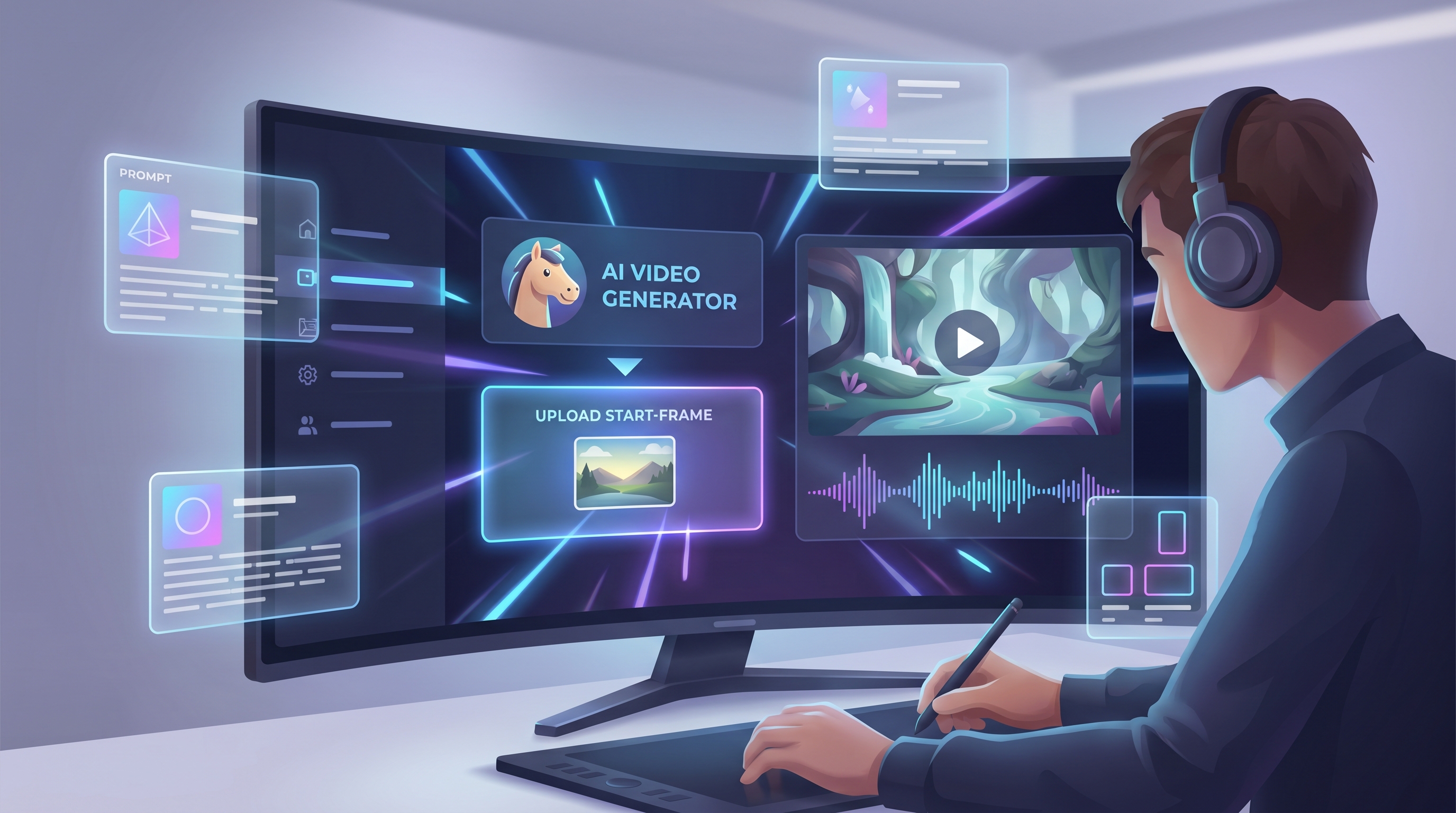
One of the most practical strengths of WAN 2.6 lies in Image-to-video workflows. Instead of treating images as disposable references, the model is more capable of respecting them as anchors.
When using a still image as a starting point—whether it’s a character portrait, product shot, or environment—WAN 2.6 shows improved identity stability and spatial logic. Motion feels less like random distortion and more like an extension of the original frame.
This is especially useful for creators who work with:
- Brand characters
- Consistent visual styles
- Concept art and pre-visualization
By reducing visual drift, WAN 2.6 makes AI video generation more viable for repeatable, professional workflows rather than one-off experiments.
Audio-Visual Synchronized Video: A Key Upgrade
Perhaps the most underrated improvement in WAN 2.6 is its approach to Audio-visual synchronized video.
Historically, audio in AI video tools has felt secondary—something added after visuals were already finalized. The result is often awkward timing, mismatched emotion, or lip movements that almost work but never quite convince.
WAN 2.6 leans toward tighter alignment between sound and motion. Whether it’s speech, ambient audio, or rhythmic cues, visuals respond more naturally to audio input. This doesn’t eliminate the need for post-editing, but it significantly reduces how much correction is required.
For creators producing talking-head content, narrated scenes, or music-driven visuals, this improvement alone can save hours.
Fewer Limits, More Freedom: What “Less Limit” Really Means
“Fewer limits” is an easy phrase to market—but in WAN 2.6, it has tangible meaning.
First, clip length feels less restrictive. While no AI model is truly unlimited, WAN 2.6 handles longer sequences with fewer breakdowns in motion logic. Second, transitions between actions are smoother. Instead of resetting visual logic every few seconds, scenes can evolve more organically.
Third, the model appears more tolerant of creative risk. Complex prompts, layered instructions, and multi-shot ideas are less likely to collapse into visual noise.
All of this contributes to a more usable form of AI video generation, where creators spend less time troubleshooting and more time shaping ideas.
WAN 2.6 vs Wan 2.5 AI: What’s Actually Improved?
To understand WAN 2.6 properly, it helps to compare it with Wan 2.5 AI and the Wan 2.5 Video Generator experience many creators are already familiar with.
Wan 2.5 delivered strong visual quality but came with noticeable constraints:
- Shorter effective scene duration
- More frequent identity drift
- Limited audio-visual coordination
WAN 2.6 doesn’t radically replace its predecessor—it refines it. Motion stability is improved. Audio integration is deeper. Prompt responsiveness feels more contextual. These are incremental upgrades, but together they significantly change how usable the model feels in practice.
For creators frustrated by Wan 2.5’s ceilings, WAN 2.6 feels less like a new tool and more like a release from friction.
Practical Use Cases for WAN 2.6 AI Video Generation
The strengths of WAN 2.6 become clearest when applied to real-world scenarios.
Short-form creators benefit from smoother pacing and better rhythm alignment. Marketers gain more control over product motion and brand consistency. Storytellers can experiment with scene progression rather than isolated moments.
Even exploratory use cases—like concept animation or pre-visualization—feel more productive when the model doesn’t constantly fight continuity.
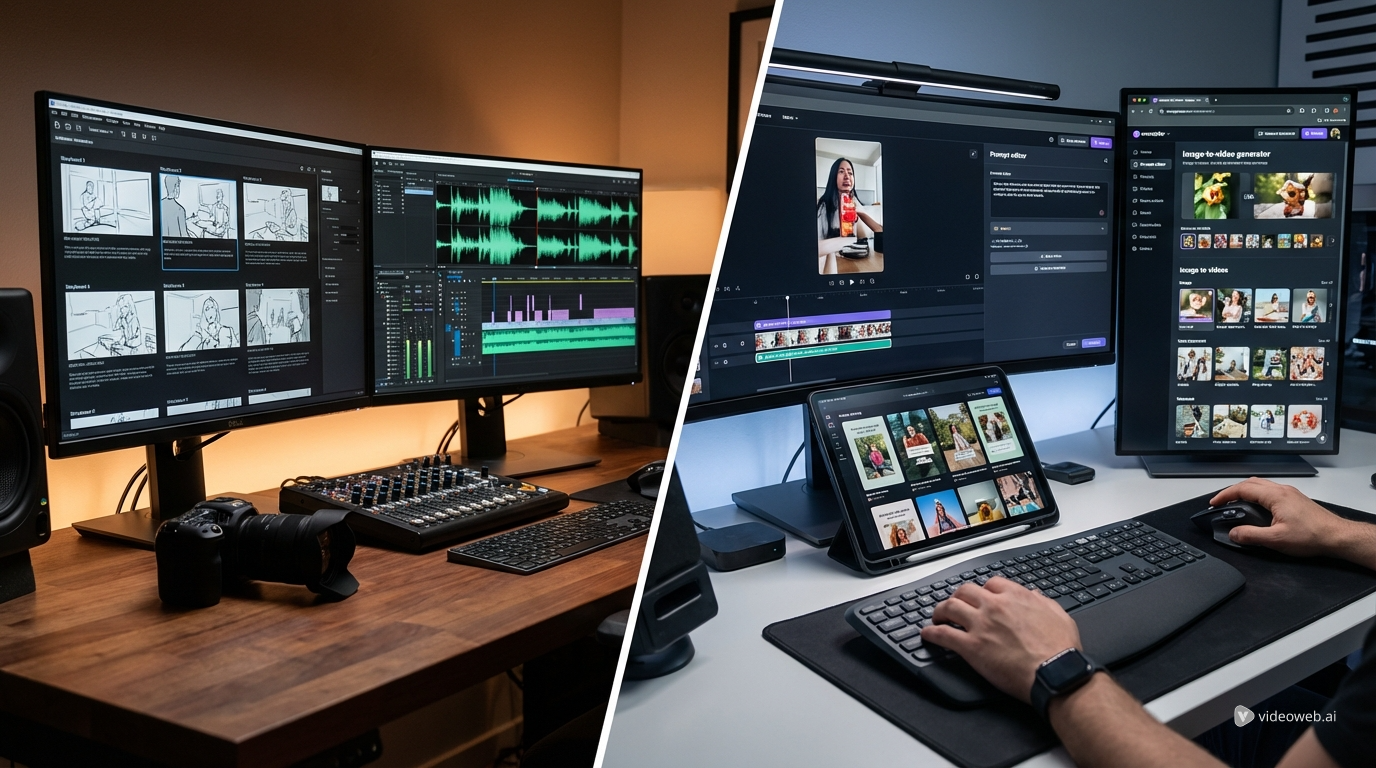
This is where Text-to-video AI and Image-to-video workflows finally begin to converge into something that resembles an actual creative pipeline.
How to Try WAN 2.6-Style AI Video Generation Today
While access models vary, creators interested in flexible, modern AI video generation should explore tools aligned with WAN-style capabilities through platforms like
https://aifacefy.com/text-to-video/.
The key isn’t chasing version numbers—it’s choosing tools that prioritize continuity, synchronization, and creative tolerance. WAN 2.6 represents a direction, not just a release.
Final Thoughts: Is WAN 2.6 a Step Toward Fewer Creative Barriers?
WAN 2.6 doesn’t promise infinite freedom—but it meaningfully lowers the cost of experimentation. By reducing technical friction, improving audio-visual harmony, and extending usable clip length, it nudges AI video generation closer to being a creative medium rather than a technical stunt.
For creators who care less about flashy demos and more about sustainable workflows, that’s the real upgrade.
If AI video is going to mature, models like WAN 2.6 show that progress isn’t about spectacle—it’s about removing the limits that quietly get in the way of creativity.