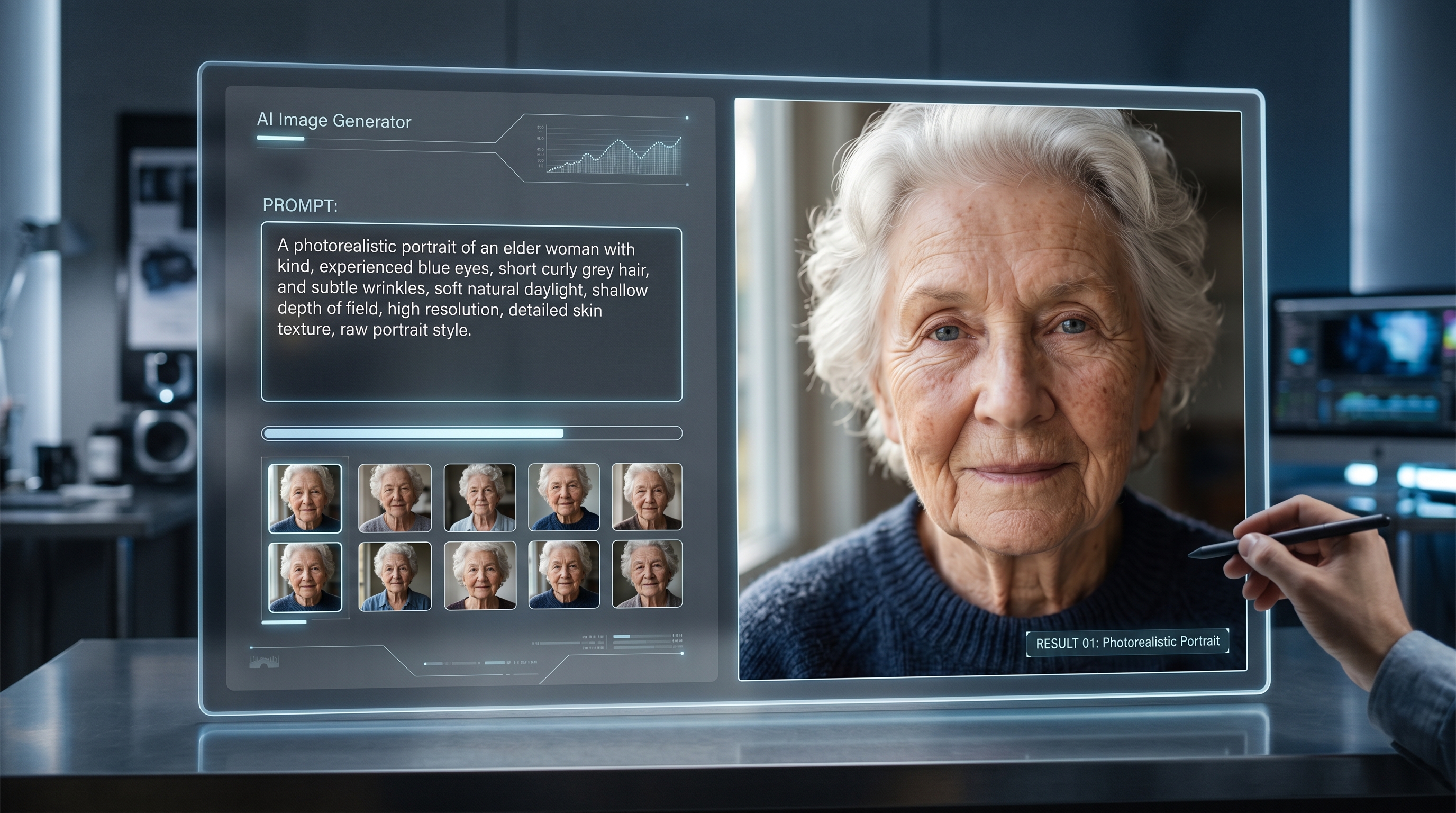
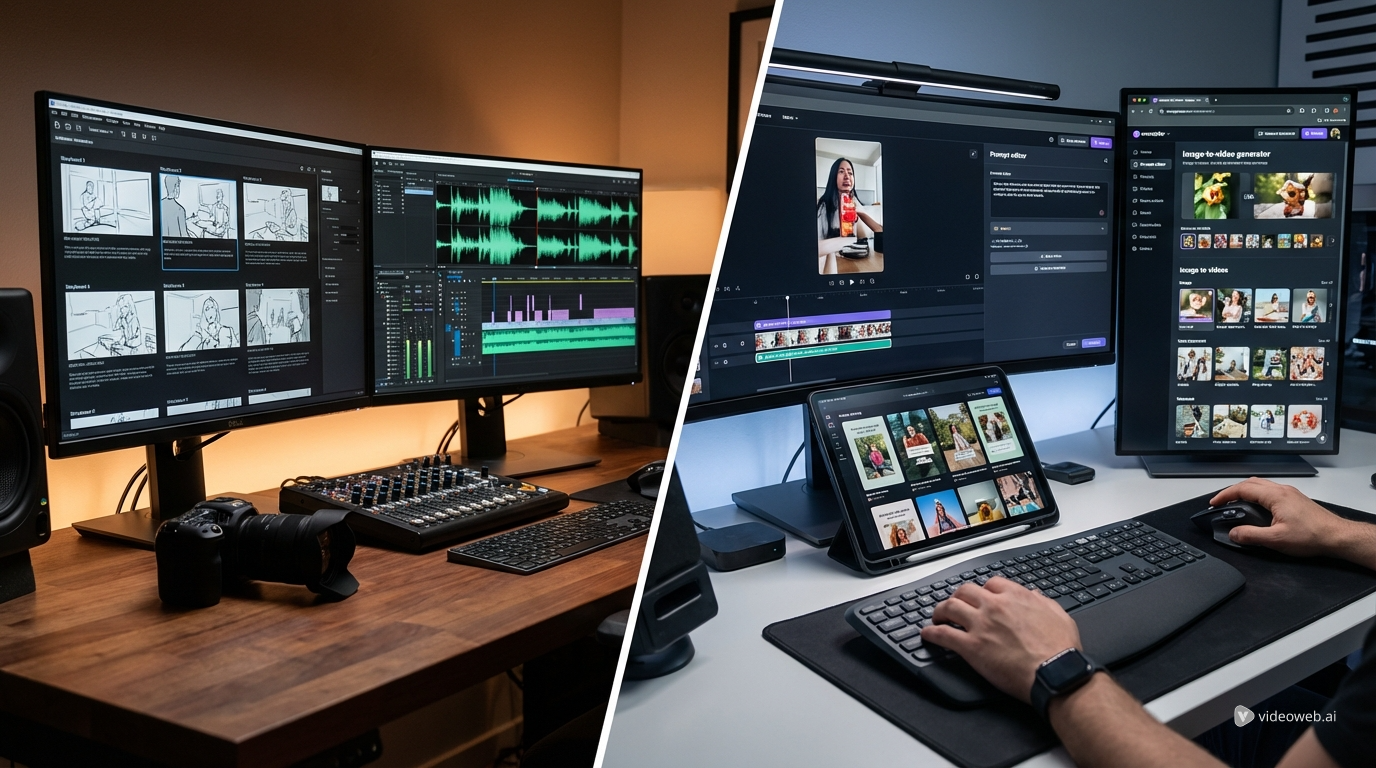
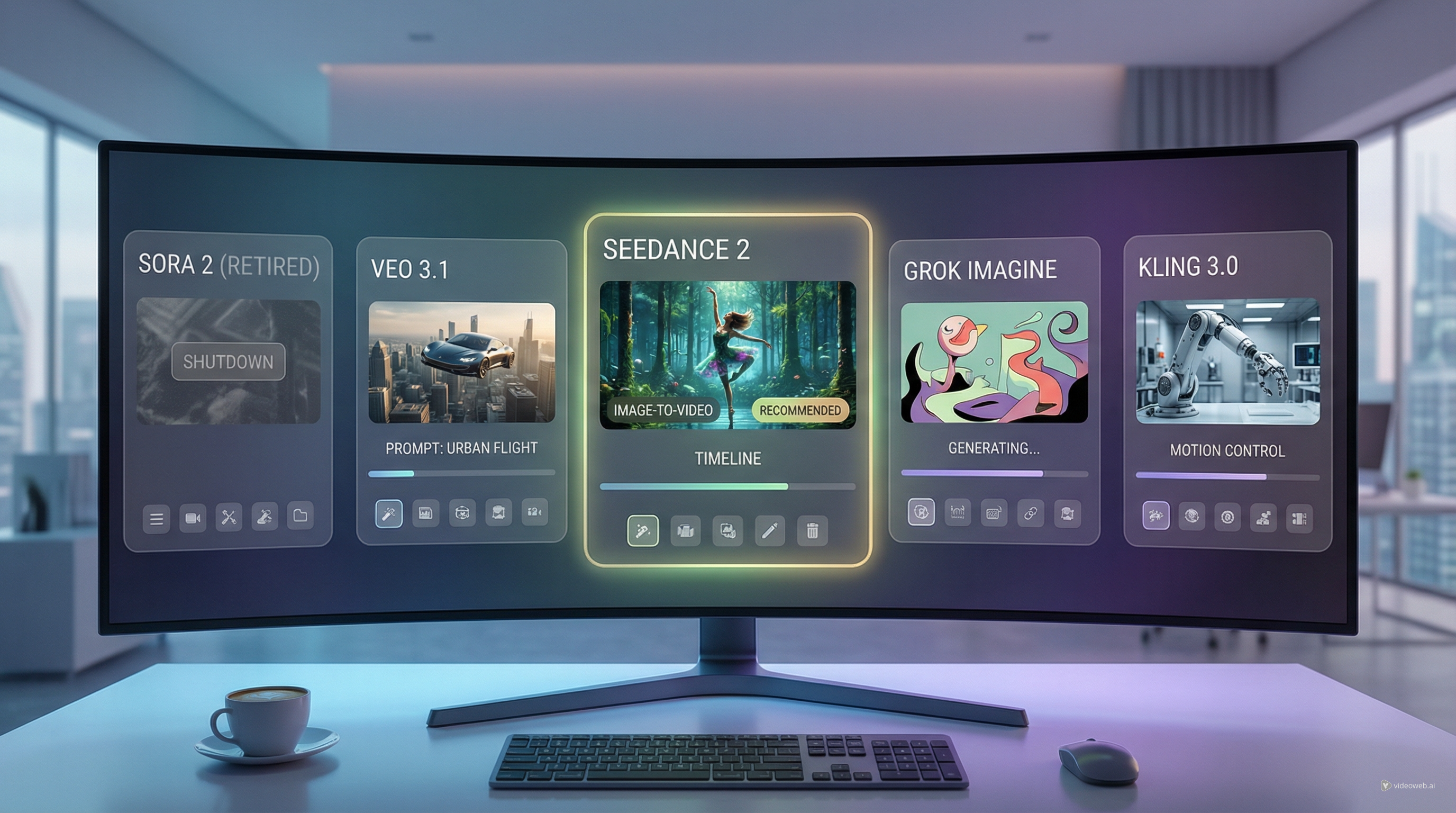
If you have been tracking new video models lately, there is a good chance you have seen more discussion around seedance 2.0 access. The interest makes sense. Seedance 2.0 is being positioned as a higher-control video model built around multimodal references, smoother motion, and more cinematic output.
At the same time, users are not just curious about what the model can do. They want practical answers. Where can they use it? What does the workflow look like? And what should they expect from seedance 2.0 price if creator-facing platforms start rolling it out more broadly?
That is where AIFacefy becomes relevant. AIFacefy is already launching its Seedance 2.0 page and preparing it for broader use as soon as the API is available, while Seedance 1.5 is available right now. So the real story is not just about one new model. It is about how creators can prepare now, understand likely costs, and know which tools to use while wider access catches up.
What Seedance 2.0 Is, in Plain Language
The easiest way to think about bytedance seedance 2.0 is this: it is a video model designed for creators who need more control than a simple text-to-video tool usually gives.
Instead of relying on a short prompt alone, Seedance 2.0 is built around reference-driven generation. That means it can work with text, images, audio, and video materials to guide the result. In practical terms, that makes it better suited to projects that need visual continuity, stable characters, repeatable style, and more intentional camera or scene design.
That matters because many video generators still struggle with the same basic problems. Motion can feel unstable. Faces or outfits can drift. Scenes may lose mood or coherence after just a few seconds. Seedance 2.0 is attracting attention because it aims to solve exactly those pain points.
Why Access Is the Real Issue Right Now
The quality story is already interesting. The access story is where things get more complicated.
At the moment, Seedance 2.0 is best understood as an official-first model. In other words, it is visible and clearly important, but it is not yet a tool that every outside creator platform can fully deploy through a normal public workflow.
That is why people keep searching seedance 2.0 access instead of just searching for prompts. They are trying to figure out not only what the model is, but where it actually becomes usable in real work.
This is also where AIFacefy fits naturally into the picture. Its Seedance 2.0 page is already live, which gives users a clear place to follow the model and understand the workflow. That does not mean the broad rollout is finished today. It means the platform is already building the creator-facing entry point in advance.
What AIFacefy Already Lets Users Do Now
Even before Seedance 2.0 becomes broadly available there, AIFacefy is already useful for one important reason: it shows the workflow clearly.
The current page is not just a placeholder. It already presents Seedance as a reference-driven video generation system with inputs for image materials, start and end frames, prompt writing, audio options, resolution, duration, and ratio. That gives users a practical preview of how this kind of model is meant to be used.
Just as importantly, Seedance 1.5 is available now. That means creators do not have to wait passively for the next version. They can start learning the same general production mindset today: prepare references, describe the action and shot clearly, test output, and refine from there.
For readers following seedance 2.0 access, that is actually useful. It turns the launch page into a working bridge instead of a dead-end announcement.
How to Think About Seedance 2.0 Price
The keyword seedance 2.0 price sounds simple, but the real answer is not a single flat number.
On AIFacefy, the more useful way to think about cost is through credits. The platform already uses a credit-based system across its AI video and image tools, and the Seedance workflow page itself shows a “Generate 50” action. That strongly suggests users should think in terms of generation cost per task rather than expecting one universal dollar price for the model.
That is a better way to explain pricing anyway. For creator tools like this, what really matters is not just the listed plan price. It is how many clips you can generate, how long they can be, what quality settings you use, and how quickly credits get consumed in actual workflow.
So when people ask about seedance 2.0 price, the most honest answer is this: watch the credit logic, not just the subscription headline.
What AIFacefy’s Pricing Already Tells Us
AIFacefy’s current pricing page gives a helpful early signal.
There is a free plan with new-user credits, daily check-in credits, and limited model access. That makes it easy for users to test the platform before committing. Above that, paid plans offer monthly credit bundles, and there are also one-time credit packs for people who want more generation capacity without relying only on subscriptions.
That matters because it suggests Seedance 2.0, when fully rolled out there, will likely fit into the same larger credit ecosystem rather than appearing as a completely separate pricing product.
This is good news for creator workflows. Instead of learning a whole new system just for one model, users can think of Seedance as part of a broader production stack already built around reusable credits.
What Seedance 2.0 Is Especially Good At
Access and pricing matter, but they only matter because the model itself looks useful.
The biggest strengths of bytedance seedance 2.0 are easy to understand in practical terms. It is designed for multimodal reference input, stable visual consistency, narrative continuity, and tighter coordination between visuals and audio. That makes it especially attractive for work that needs to feel directed rather than random.
This is why the model stands out for creators making serial content, brand teams that need consistent visual language, and anyone using storyboards or reference assets to pre-visualize scenes. It is less about generating one lucky clip and more about building a repeatable workflow.
That is also why Seedance 2.0 feels different from a basic “type one sentence and hope” generator. Its value is in control.
Best Use Cases for Readers to Understand
If you want to picture where Seedance 2.0 fits, a few use cases make the value very clear.
For creators and short-form video teams, it offers a way to keep recurring characters, scenes, and tone more stable across multiple outputs. For marketing teams, it can help generate alternate versions of branded videos while holding onto the same core visual identity. For film, design, and storyboard work, it looks useful for turning sketches, stills, or reference clips into more continuous scene tests.
That is the best way to think about seedance 2.0 access in context. It is not just access to a trendy model. It is access to a workflow that becomes more valuable when consistency matters.
What to Use on AIFacefy While Waiting
If you are interested in Seedance but do not want to wait around, AIFacefy already has several useful tools worth exploring.
For video workflows, Image to Video is a strong starting point if you already have source images. Photo to Video is useful when you want to animate still photos into more dynamic clips. Video to Video can help if your workflow starts with an existing video and you want to transform or restyle it. And AI Face Dance Generator is a lighter, creator-friendly way to experiment with motion effects.
You can also compare other featured models while watching Seedance 2.0 develop. Sora 2 AI, Google Veo 3.1 AI, Kling 3.0, and Vidu Q3 all give useful reference points for how different premium video models handle motion, style, and control.
Final Thoughts
Seedance 2.0 is already important because it points toward a more controllable, reference-driven future for AI video.
But for most users, the real questions are still practical. Access is developing, pricing makes more sense as a credit-based workflow, and the model is worth watching because its strengths line up with real production needs. If you want the easiest next step, keep an eye on Seedance 2.0 access as broader creator use continues to open up.
For now, the smart move is simple: follow the model, use Seedance 1.5 and related AIFacefy tools to learn the workflow, and be ready when broader Seedance 2.0 rollout becomes easier to use.
Recommended Reading
If you want a broader view of where Seedance 2.0 fits, these guides are worth a look:
- Seedance 2.0 Video Generation Guide: How to Get Controlled, Consistent Results
- GLM-Image vs Nano-Banana Pro: Which Text-to-Image Model Fits Your Workflow?
- Seedance 2.0 Video Generation Review: Control, Consistency, and Where It Fits
- Nano Banana 2 vs Nano Banana Pro: Which AI Image Model Should You Use?